
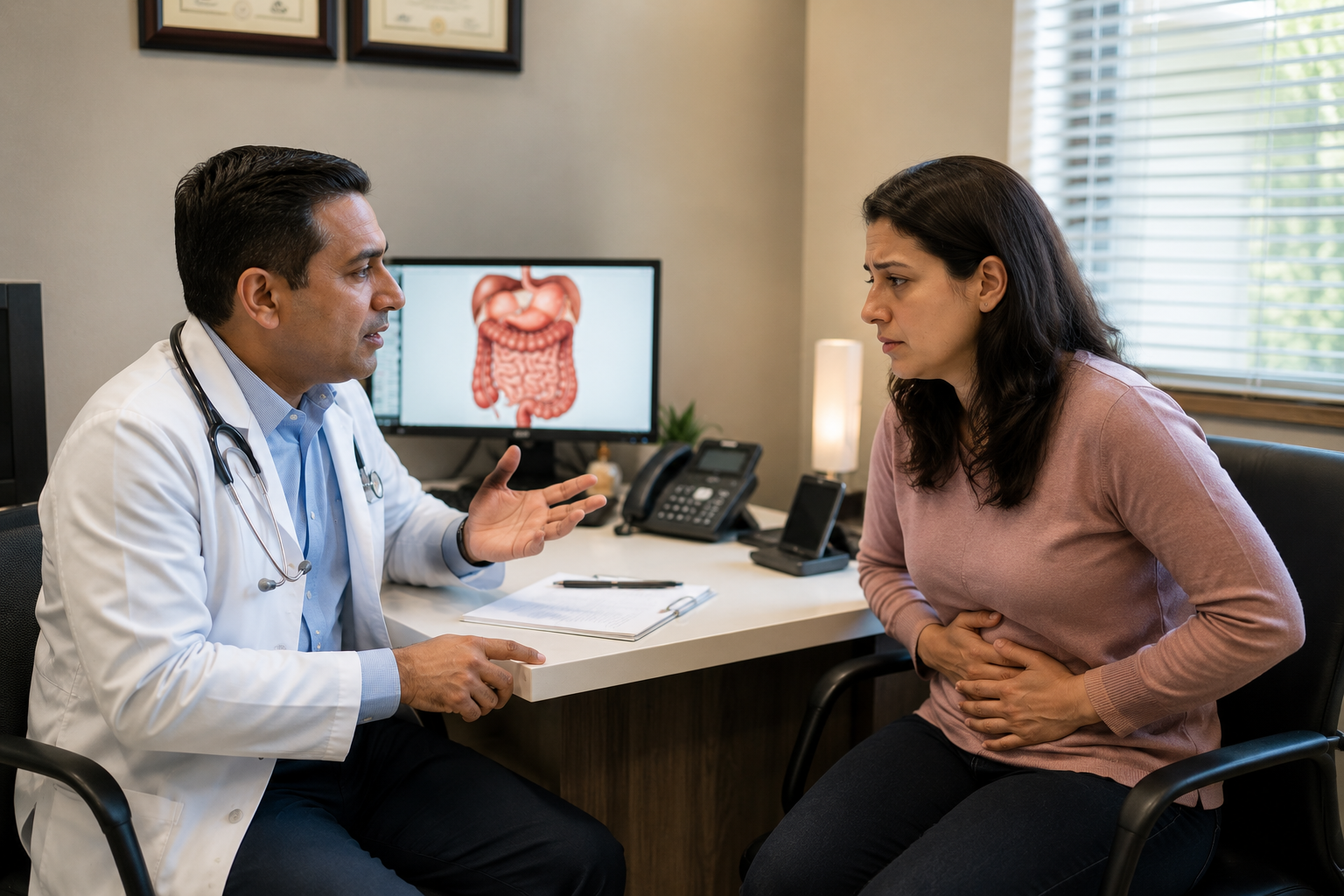
Gastrointestinal Care
Thoughtful evaluation and treatment for reflux, abdominal pain, IBS, IBD, and persistent digestive symptoms.
Acid Reflux (GERD)IBS & IBDAbdominal PainChronic Diarrhea
Personalized care planning in a calm, modern setting.
Every service line is presented through a premium clinical lens: warm consultative care, advanced hepatology insight, elegant preventive screening, and modern endoscopic expertise.
Thoughtful evaluation and treatment for reflux, abdominal pain, IBS, IBD, and persistent digestive symptoms.
Personalized care planning in a calm, modern setting.
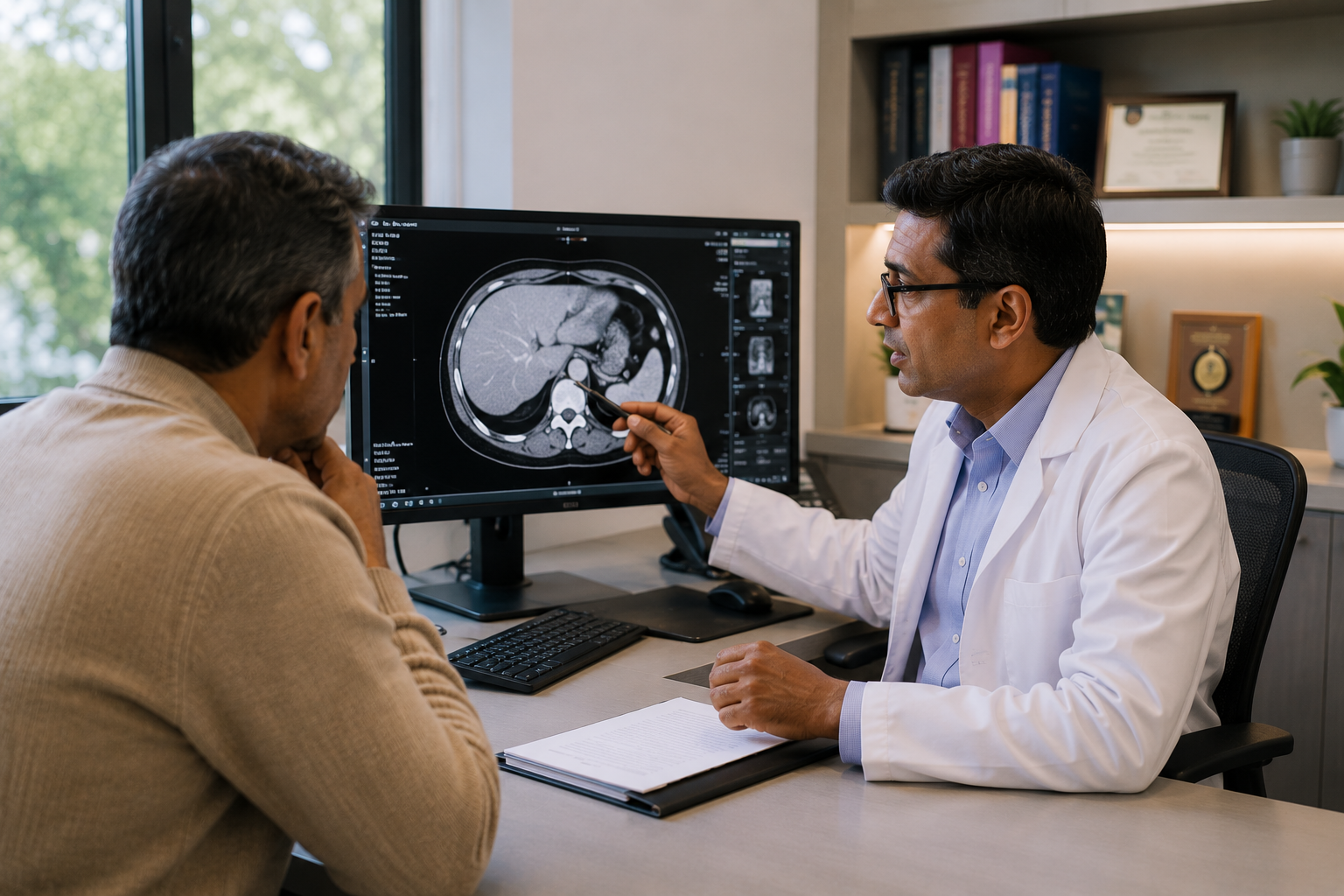
Advanced diagnosis and longitudinal management for hepatitis, fatty liver disease, cirrhosis, and transplant follow-up.
High-acuity liver care with precise monitoring and guidance.
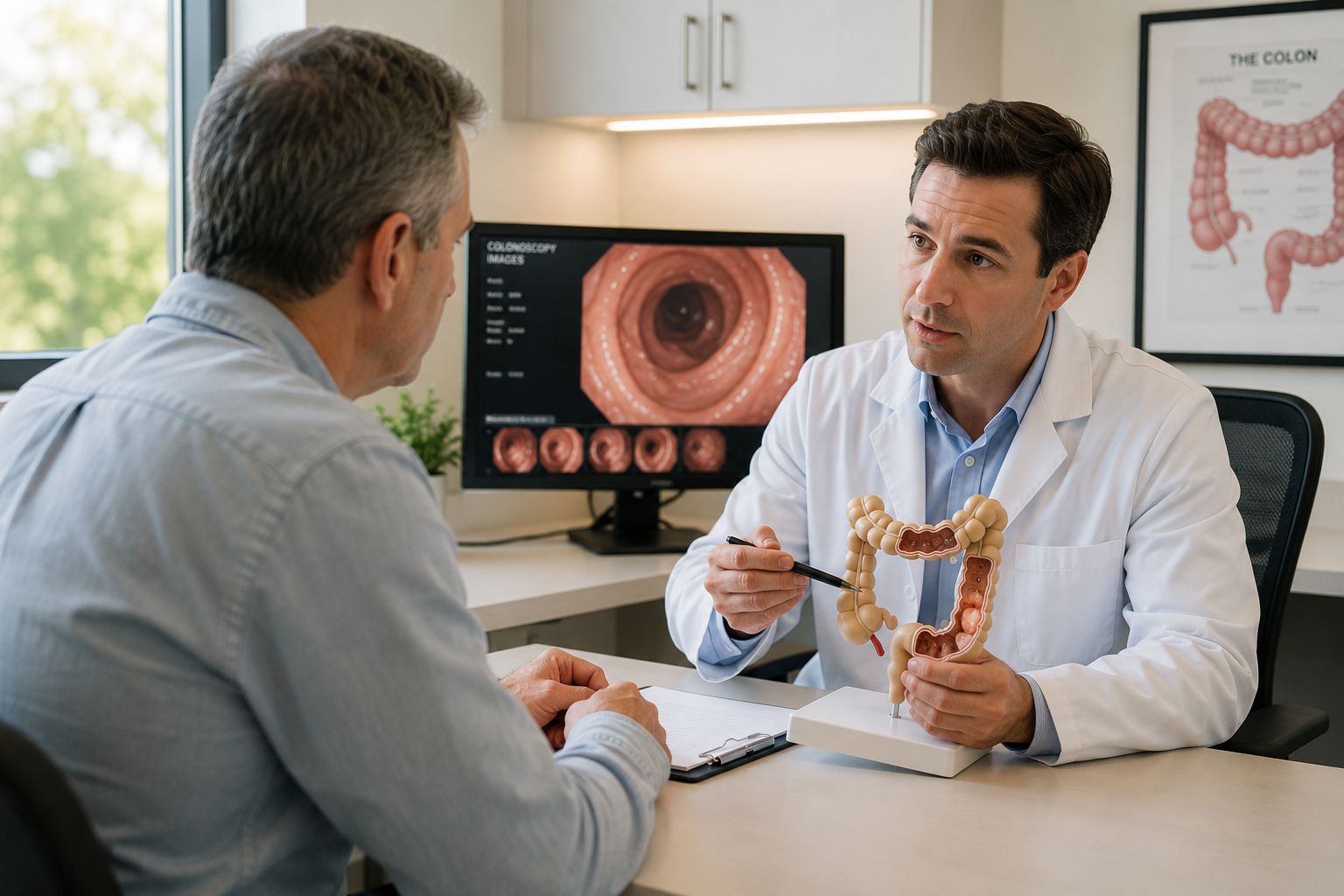
Screening, colonoscopy, and early detection strategies focused on prevention, accuracy, and long-term colon health.
Designed to communicate prevention, clarity, and confidence.
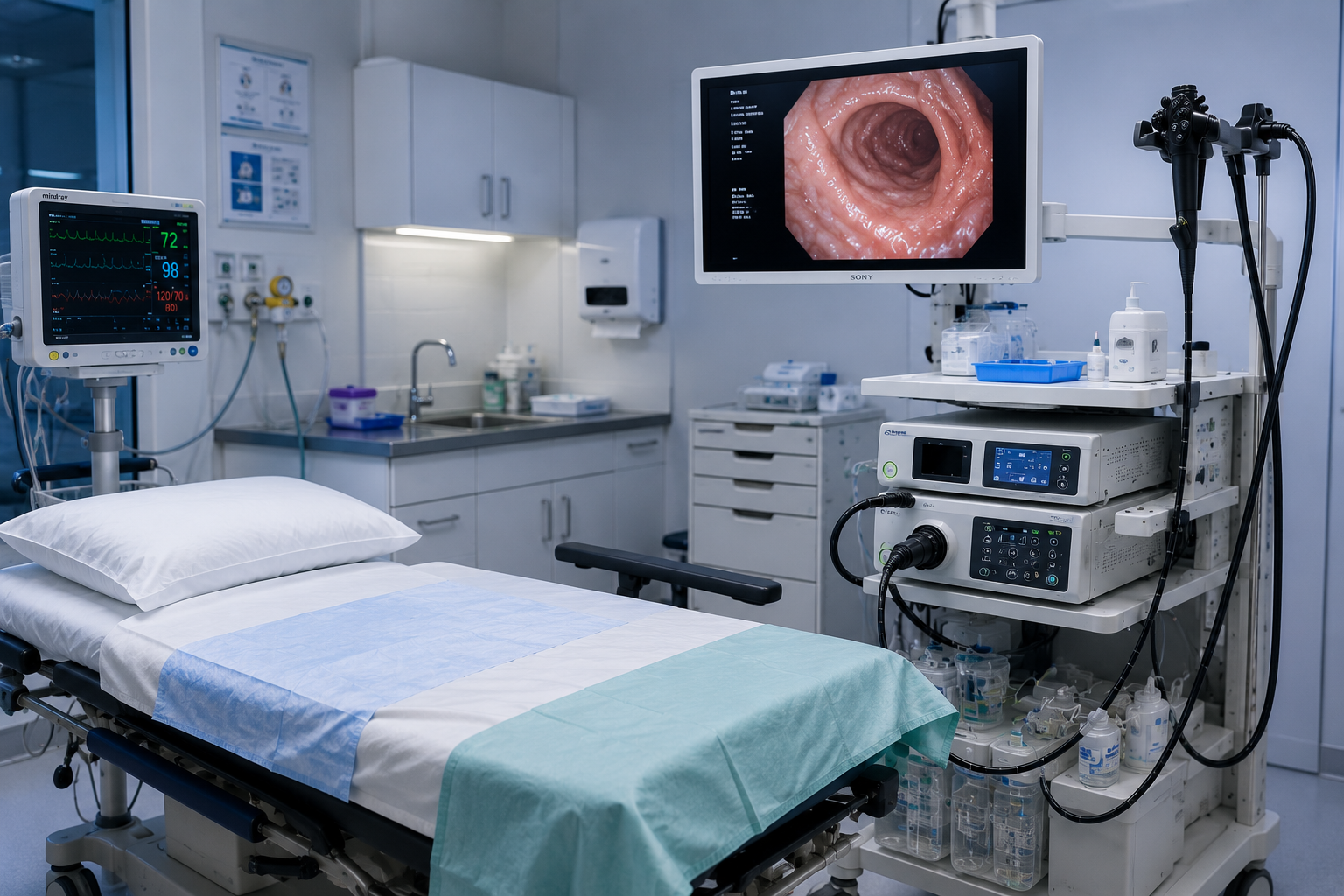
Therapeutic endoscopy and advanced digestive procedures supported by modern equipment and experienced clinical judgment.
State-of-the-art procedural care in a polished clinical environment.
Our Douglas team can guide you toward the right evaluation, screening, or specialty treatment path before your visit.
Advanced procedures that find problems early — when they're most treatable.
Upper endoscopy is a minimally invasive procedure that allows physicians to examine the esophagus, stomach, and upper digestive tract using a flexible camera-equipped scope.
A colonoscopy is a safe and effective procedure used to examine the entire colon and rectum, detect early signs of colorectal cancer, and remove potentially harmful polyps.
Our specialists provide evaluation and treatment for a wide range of liver conditions, including hepatitis, fatty liver disease, cirrhosis, and other chronic liver disorders.
Capsule endoscopy provides a convenient and non-invasive way to examine areas of the small intestine that may not be visible through traditional endoscopic procedures.
Hemorrhoid banding is a quick, minimally invasive procedure used to treat internal hemorrhoids by cutting off blood supply so they shrink and fall away naturally.
Review comprehensive clinical overviews, what to expect during the procedure, and safety profiles.
Upper endoscopy is a minimally invasive procedure that allows physicians to examine the esophagus, stomach, and upper digestive tract using a flexible camera-equipped scope. It is commonly used to evaluate symptoms such as persistent heartburn, difficulty swallowing, abdominal discomfort, nausea, and unexplained digestive issues.
An IV is placed to provide sedatives to keep you relaxed and comfortable. A mouthpiece is placed to keep your mouth open. Air is introduced through the scope to expand the tract for better viewing. The procedure takes only 5 to 10 minutes and does not interfere with breathing.
Upper GI endoscopy is highly safe. Complications are rare but can include perforation (puncture of the wall requiring surgery) or bleeding (requiring transfusion).
A colonoscopy is a safe and effective procedure used to examine the entire colon and rectum. Using a flexible instrument called a colonoscope, physicians can identify abnormalities, detect early signs of colorectal cancer, and remove potentially harmful polyps before they become cancerous.
You will be given sedatives through an IV to help you sleep. The procedure takes about 20 minutes on average, followed by 20 minutes in a recovery area. You will receive guidelines on when you can resume normal diet and activities.
Complications are rare but can include perforation of the colon wall (which may require surgical repair) or bleeding. Some lesions might be missed even by skilled physicians.
The liver plays a critical role in digestion, metabolism, and overall health. Our specialists provide evaluation and treatment for a wide range of liver conditions, including hepatitis, fatty liver disease, cirrhosis, and other chronic liver disorders.
If a liver biopsy is needed to determine damage severity, a thin needle is used to quickly remove a small piece of liver tissue under local anesthesia. Hospitalization is usually not required unless food and liquids cannot be retained.
Liver biopsies are generally safe, with minor pain at the insertion site. Chronic liver disease can progress if not monitored regularly.
Capsule endoscopy provides a convenient and non-invasive way to examine areas of the small intestine that may not be visible through traditional endoscopic procedures. During the examination, patients swallow a small capsule containing a miniature camera that captures thousands of images as it travels through the digestive tract.
The capsule is temporarily attached to the wall of your esophagus during an endoscopy. It detects acid levels and transmits the data. The capsule naturally falls off after a few days and passes through the digestive tract.
Extremely safe procedure. Rare risks include early detachment of the capsule or discomfort during swallowing.
Hemorrhoid banding is a quick, minimally invasive procedure used to treat internal hemorrhoids. During treatment, a small rubber band is placed around the hemorrhoid, cutting off its blood supply and causing it to shrink and fall away naturally.
Performed in-facility with minimal pain. The physician treats one or two hemorrhoids per session, with subsequent treatments spaced at two-week intervals if needed. No recovery down-time is required.
Typically safe with very low pain. Minor bleeding may occur when the hemorrhoid falls off, but severe complications are extremely rare.